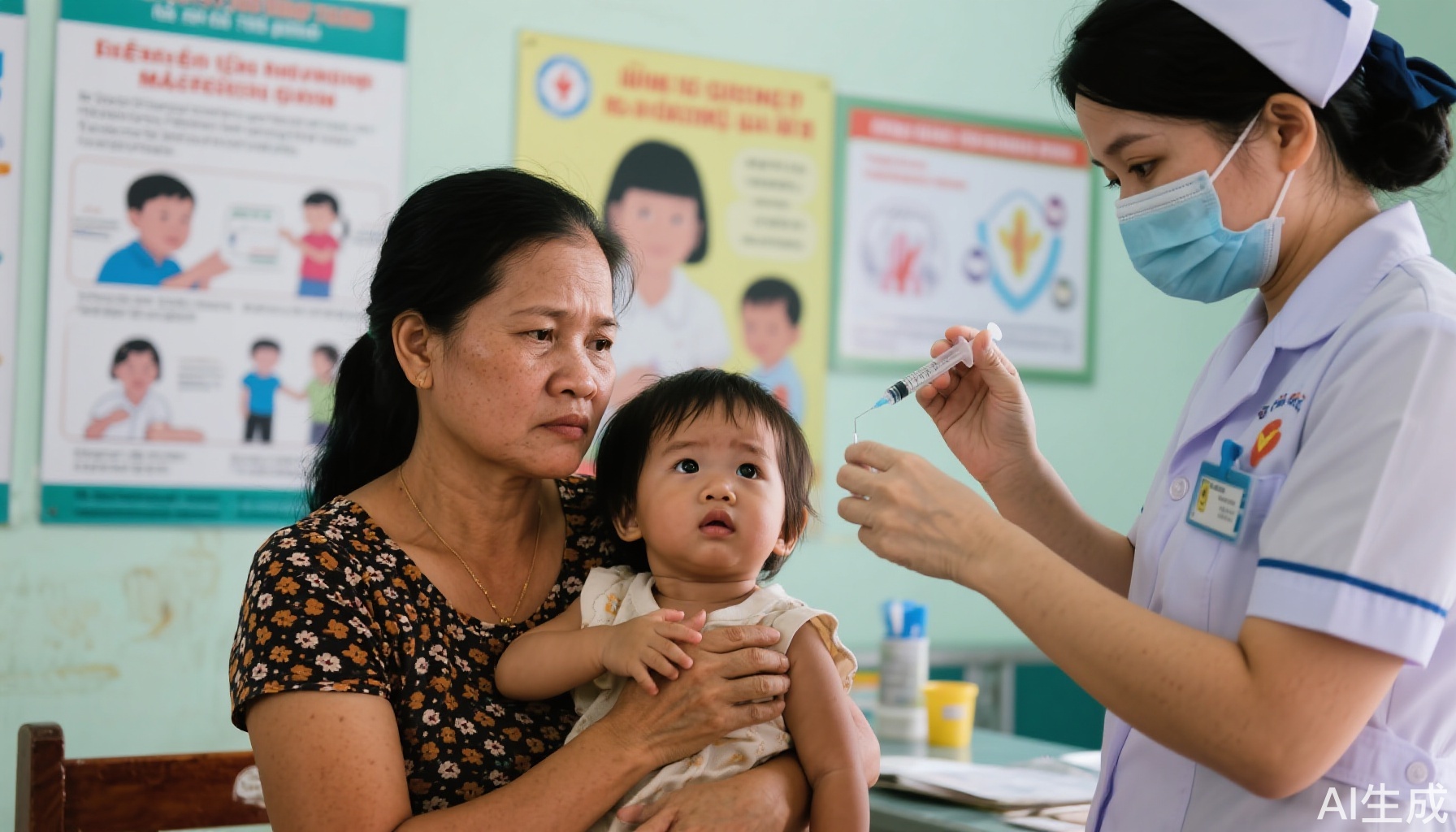
Introduction: The 2025 Measles Crisis in Vietnam
In early 2025, Vietnam encountered a sharp increase in measles cases, totaling nearly 40,000 suspected infections and resulting in five tragic deaths. Children were the most severely affected demographic, underscoring the vulnerability of young populations to this highly contagious viral disease. This sudden surge stirred nationwide concern and intensified conversations on social media about the urgency of vaccination, public health policies, and the challenges of vaccine hesitancy.
Understanding Measles and Its Impact
Measles is a contagious viral infection caused by the measles virus, characterized by high fever, cough, conjunctivitis, and a distinctive rash. Although preventable, measles remains a major cause of childhood mortality worldwide, especially in low- and middle-income countries where vaccination coverage can be inconsistent.
Before the introduction of widespread vaccination programs, measles was almost universal during childhood. Thanks to the measles vaccine, administered as part of the MMR (measles, mumps, rubella) vaccine, the incidence has dramatically declined globally. However, outbreaks continue to threaten public health when immunization rates drop below the threshold required for herd immunity.
Scientific and Clinical Evidence: What the Data Tell Us
The 2025 outbreak in Vietnam was driven primarily by gaps in vaccination coverage. When at least 95% of the population is immunized, measles transmission can be effectively interrupted. However, recent surveys and reports indicate that some Vietnamese regions faced challenges in vaccine delivery and acceptance, resulting in susceptible populations.
According to official health statistics, the government responded rapidly by releasing 500,000 doses of measles vaccine free of charge to affected areas. Early epidemiological data showed the vaccine’s effectiveness in curbing further spread; routine immunization and supplementary immunization activities were emphasized to protect the most vulnerable children under five years old.
Further evidence supports that the measles vaccine is safe and highly effective. The World Health Organization (WHO) reports a vaccine efficacy rate exceeding 95% after two doses, with minimal serious adverse effects. This robust body of clinical evidence underscores vaccination as the cornerstone of measles prevention.
Public Misconceptions and Vaccine Hesitancy
Despite strong scientific consensus, vaccine hesitancy remains a significant barrier. Social media conversations during the outbreak revealed parental concerns about vaccine safety, fueled by misinformation and mistrust. Some common misconceptions included fears over vaccine side effects, misconceptions about vaccine ingredients, and misunderstandings linked to adverse events falsely attributed to vaccination.
| Common Misconceptions | Clarifications |
|——————————–|————————————————|
| Vaccines cause autism | Multiple large studies have disproven this link|
| Vaccines contain harmful toxins| Vaccines use safe, regulated ingredients |
| Natural infection is better | Risk of severe complications far outweighs benefits|
Addressing these misconceptions through empathetic, evidence-based communication is vital to overcoming hesitancy.
Correct Health Practices in Response to the Outbreak
The Vietnamese government and healthcare providers proactively promoted vaccination, emphasizing childhood immunization as the most effective preventive measure. Public health campaigns shared information about vaccination sites and schedules. Parents were encouraged to ensure their children received both doses of the measles vaccine.
Beyond vaccination, other measures included educating caregivers about recognizing measles symptoms early, enhancing disease surveillance, and implementing infection control practices in schools and communities.
Expert Insights and Recommendations
Dr. Nguyen Thi Thu Ha, an infectious disease specialist at Vietnam National Institute of Hygiene and Epidemiology, states, “The outbreak underscores the critical need to maintain high vaccination coverage and strengthen public trust in vaccines. Public health education must be culturally appropriate and target misinformation early.”
Global health organizations advocate:
– Maintaining greater than 95% vaccine coverage
– Rapid outbreak responses with mass immunization campaigns
– Continuous public education addressing vaccine safety
– Strengthened surveillance to monitor and respond promptly
Patient Scenario: Maria’s Story
Maria, a 3-year-old girl living in Hanoi, was admitted to a hospital with high fever, rash, and cough. Her mother, worried but uninformed, had delayed Maria’s second dose of measles vaccine due to fears over safety she read online. After clinical diagnosis of measles, Maria received supportive care and recovered, but the experience convinced her mother about the importance of vaccination. She subsequently joined community efforts to promote childhood immunization.
Maria’s case highlights the real-life consequences of delayed vaccination and the transformative power of accurate health education.
Conclusion
The 2025 measles outbreak in Vietnam served as a stark reminder of the continuous threat posed by vaccine-preventable diseases when immunization gaps exist. Protecting children through timely and complete vaccination is the most effective way to prevent such outbreaks.
Addressing vaccine hesitancy via transparent communication and accessible vaccination programs is essential. With collaborative efforts among governments, health professionals, and communities, measles can be controlled and eventually eliminated.
References
1. World Health Organization. Measles fact sheet. 2023. https://www.who.int/news-room/fact-sheets/detail/measles
2. Vietnam Ministry of Health. 2025 Measles Outbreak Update. Hanoi, 2025.
3. Moss WJ. Measles. Lancet. 2017;390(10111):2490-2502.
4. MacDonald NE. Vaccine hesitancy: Definition, scope and determinants. Vaccine. 2015;33(34):4161-4164.
5. GAVI, The Vaccine Alliance. Vietnam immunization coverage data, 2024.
This comprehensive overview highlights the importance of ongoing vigilance, community engagement, and scientific evidence to combat measles and protect public health.