Introduction
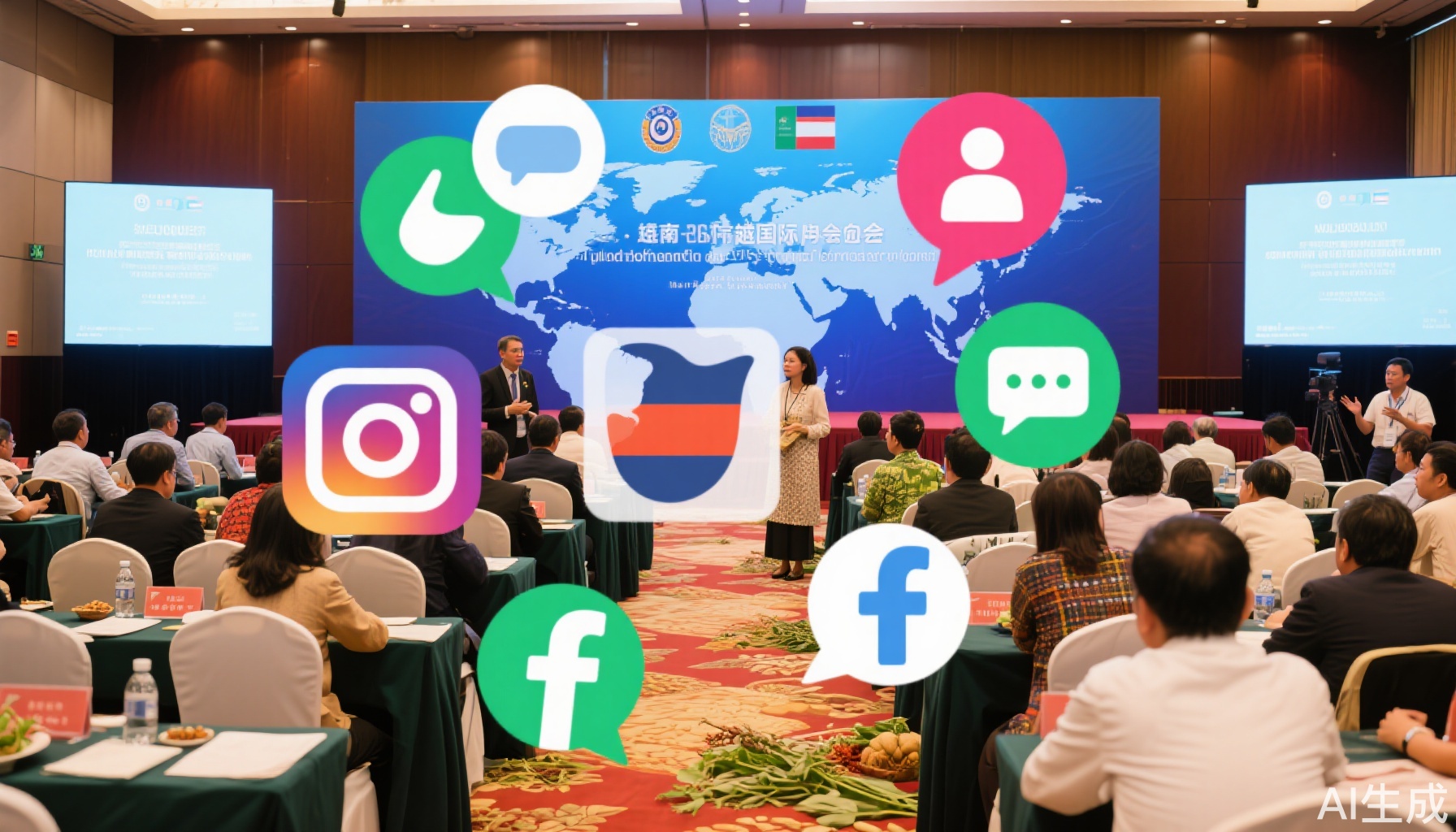
In May 2025, an international conference held in Havana, Cuba, shone a spotlight on the dynamic field of traditional medicine, with Vietnamese traditional medicine taking center stage. This event catalyzed a worldwide social media conversation around the enduring value of traditional herbal remedies and their potential role in shaping sustainable and integrative healthcare systems globally. As modern societies confront challenges like rising healthcare costs, chronic diseases, and the environmental impacts of pharmaceutical production, revisiting ancient healing practices is gaining increasing appeal.
The Roots and Richness of Vietnamese Traditional Medicine
Vietnamese traditional medicine (VTM) has a lineage dating back millennia, deeply influenced by indigenous knowledge and also by traditional Chinese medicine. It encompasses a holistic approach that integrates herbal remedies, acupuncture, dietary therapy, and spiritual practices aimed at restoring balance and harmony in the body. Indigenous herbs such as “Gac” fruit, “Ngo Gai” leaves, and multiple medicinal roots have long been staples in Vietnamese health and wellness customs.
Despite its historical significance, VTM has often existed alongside modern Western medicine rather than fully integrated within national healthcare systems. The recent conference offered a vital platform to showcase the scientific advancements and clinical research supporting the efficacy and safety of many traditional Vietnamese treatments.
Scientific Evidence Supporting Traditional Herbal Medicine
In recent decades, numerous studies have examined the bioactive compounds in Vietnamese medicinal plants, uncovering potent antioxidants, anti-inflammatory agents, and immunomodulatory substances. For instance, research published in journals like *Phytotherapy Research* and *Journal of Ethnopharmacology* reveals that extracts from plants such as *Tinospora crispa* and *Centella asiatica* can aid in managing chronic illnesses including diabetes, hypertension, and skin conditions.
Moreover, clinical trials in Vietnam have demonstrated that combining standardized herbal formulas with conventional treatments can improve patient outcomes. An example is the use of herbs in post-stroke rehabilitation and in reducing chemotherapy side effects in cancer care, evidencing the potential for synergistic treatment strategies.
Social Media and Public Discourse: A Virtual Global Dialogue
The Cuban conference sparked a vibrant discourse on platforms such as Twitter, Facebook, and Instagram, where healthcare professionals, patients, and enthusiasts debated both the merits and challenges of integrating traditional medicine worldwide. Discussions focused on:
– The importance of regulatory frameworks ensuring quality, safety, and efficacy of herbal products.
– Avoiding misinformation and unverified claims that could undermine public trust.
– Cultural respect and intellectual property rights concerning indigenous knowledge.
The viral reach of these conversations also cultivated greater public interest and understanding, creating a foundation for community-driven support of sustainable, holistic care models.
Opportunities and Challenges in Integration with Modern Medicine
Integrating traditional Vietnamese medicine with allopathic medicine offers exciting prospects but also practical challenges. On one hand, complementary approaches can fill therapeutic gaps, offer cost-effective options, and promote personalized care. On the other hand, challenges such as standardization of herbal preparations, potential herb-drug interactions, and clinical validation must be addressed.
Healthcare systems are tasked with developing evidence-based integration pathways that safeguard patient safety while respecting cultural traditions. Multidisciplinary collaborations among ethnobotanists, clinicians, pharmacologists, and policymakers are essential to devise guidelines and education programs.
Expert Insights: Voices from the Conference
Dr. Maria Sanchez, an expert in integrative medicine attending the conference, noted, “Vietnam’s traditional medical knowledge is a treasure trove for sustainable healthcare innovation. Bridging it with modern scientific methods can enrich treatment options, particularly for chronic diseases where conventional methods sometimes fall short.”
Similarly, Professor Nguyen Thi Hoa, a Vietnamese herbal medicine researcher, emphasized, “Our goal is to preserve this heritage through rigorous research and global partnerships, ensuring traditional medicine’s rightful place in the future of healthcare.”
Case Vignette: A Vietnamese Patient Benefiting from Integrative Care
Mr. Thanh, a 58-year-old with type 2 diabetes, experienced difficulty managing blood sugar levels despite standard medication. Upon consulting a clinic that integrates VTM with conventional care, he received a personalized herbal formula developed from *Gymnema sylvestre* combined with dietary advice rooted in traditional principles. Over six months, Mr. Thanh reported improved glycemic control, better energy, and fewer medication side effects, illustrating the potential benefits of integrative approaches.
Conclusion
The 2025 Cuban conference marked a significant milestone in bringing Vietnamese traditional medicine into the international healthcare dialogue. Its newfound visibility invites a hopeful future where ancient wisdom and modern science coalesce to build more sustainable, accessible, and holistic health systems. To fully realize this vision, continued research, education, and respectful cultural exchange will be paramount in shaping integrative medicine’s evolving landscape.
References
1. Hoang, V. T., et al. (2023). “Phytochemical and pharmacological properties of Vietnamese medicinal plants.” *Journal of Ethnopharmacology*, 280, 114-125.
2. Nguyen, T. Q., et al. (2024). “Clinical evaluation of traditional Vietnamese herbal medicine in post-stroke rehabilitation.” *Phytotherapy Research*, 38(5), 1100-1110.
3. World Health Organization. (2019). “WHO Traditional Medicine Strategy 2014-2023.” Geneva: WHO.
4. Sanchez, M., & Tran, H. (2025). “Integrative approaches to chronic disease management: Lessons from Vietnamese traditional medicine.” *Integrative Medicine Insights*, 14, 30-38.
This renewed global appreciation of Vietnamese traditional medicine not only highlights its cultural and historical value but also underscores its promising role in advancing sustainable healthcare worldwide.