Introduction
Viral infections are among the most common illnesses worldwide, affecting people of all ages and backgrounds. From the common cold to more serious diseases like influenza and COVID-19, understanding how viruses operate and how the body responds is essential for effective prevention and treatment. This article aims to demystify viral infections, providing insights into their mechanisms, clinical impacts, and the best health practices to combat them.
What Are Viral Infections? How Viruses Work
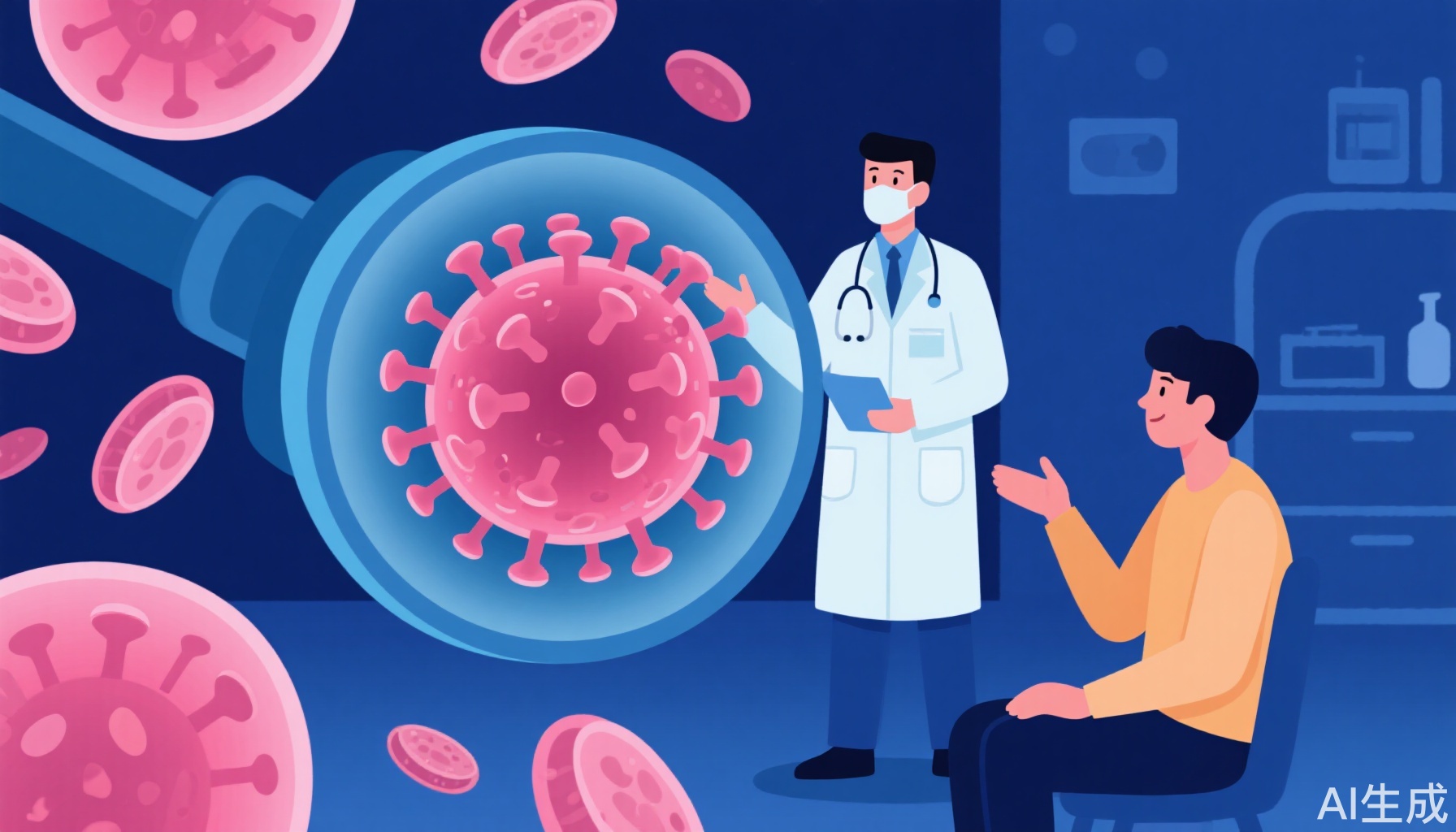
Viruses are microscopic agents composed of genetic material (DNA or RNA) encased in a protein coat. Unlike bacteria, viruses cannot reproduce on their own; they rely on invading host cells and hijacking their machinery to multiply. Once inside a cell, viruses replicate, often destroying the host cell in the process, which triggers symptoms and can lead to illness.
Common viral infections include influenza, rhinovirus (which causes the common cold), hepatitis viruses, human immunodeficiency virus (HIV), and emerging viruses like the novel coronavirus SARS-CoV-2. Transmission can occur through respiratory droplets, contaminated surfaces, bodily fluids, or vectors like mosquitoes.
Case Study: Mr. Minh’s Encounter with Influenza
Mr. Minh, a 45-year-old office worker in Hanoi, experienced fever, body aches, and fatigue during the winter season. He was diagnosed with influenza, a respiratory infection caused by the influenza virus. His symptoms lasted about a week, and with supportive care and rest, he recovered fully. Minh’s case illustrates the typical course of a viral respiratory infection and highlights the importance of preventive measures like vaccination and hand hygiene.
The Body’s Response: Immune System and Symptoms
When a virus infects the body, the immune system rapidly responds to combat the invader. This involves activation of white blood cells and the release of signaling molecules called cytokines. The symptoms commonly experienced during viral infections, such as fever and inflammation, are actually signs of the immune system fighting back.
However, in some cases, an overly aggressive immune reaction can cause complications, such as severe inflammation or damage to organs, especially in vulnerable populations like the elderly or immunocompromised individuals.
Common Misconceptions About Viral Infections
There are several common misunderstandings that can hinder effective management of viral infections:
1. Antibiotics cure viral infections: Antibiotics target bacteria and have no effect on viruses. Misuse can lead to antibiotic resistance.
2. All viruses cause severe disease: Many viruses cause mild or asymptomatic infections.
3. Vaccines cause the illness they prevent: Vaccines stimulate the immune system without causing the full disease.
Understanding these truths helps people adopt appropriate prevention and treatment strategies.
Prevention and Health Practices
Preventing viral infections is possible through several practical measures:
– Vaccination: Immunization against viruses like influenza, hepatitis B, and COVID-19 significantly reduces infection risk and severity.
– Hand hygiene: Regular handwashing with soap breaks the transmission chain.
– Respiratory etiquette: Covering mouth and nose when coughing or sneezing.
– Avoiding close contact: Especially with sick individuals during outbreaks.
– Surface disinfection: Regular cleaning of frequently touched objects.
Recent Advances and Treatments
Advances in antiviral medications and vaccines have greatly improved management of viral infections. For example, direct-acting antivirals have revolutionized hepatitis C treatment, and mRNA vaccines have provided new tools against emerging viruses like SARS-CoV-2.
Though many viral infections remain without a definitive cure, supportive care and early intervention can reduce complications. Researchers are also exploring broad-spectrum antivirals and novel therapeutic strategies.
Expert Insights
Dr. Emily Chen, infectious disease specialist, notes, “Understanding the biology of viruses helps us tailor prevention and treatment strategies effectively. Public education on vaccination and hygiene remain cornerstone public health measures.”
Conclusion
Viral infections present a significant health challenge globally, but scientific progress and public health measures have made many infections manageable and preventable. Educating communities on virus transmission, dispelling myths, and promoting healthy behaviors are crucial steps in minimizing the impact of viruses on individuals and societies.
References
1. Fauci AS, Lane HC, Redfield RR. Covid-19 — Navigating the Uncharted. N Engl J Med. 2020;382(13):1268-1269.
2. Krammer F. SARS-CoV-2 vaccines in development. Nature. 2020;586(7830):516-527.
3. Hayden FG. Antiviral resistance in influenza viruses — implications for management and pandemic response. N Engl J Med. 2006;354(8):785-788.
4. WHO. Viral hepatitis. https://www.who.int/news-room/fact-sheets/detail/viral-hepatitis. Accessed June 2024.