Introduction: The Rising Tide of Stress in Vietnam
Stress has quietly become a significant public health challenge worldwide, and Vietnam is no exception. Recent research shows that Vietnamese consumers experience an average of 1.98 stressful episodes per week, with younger generations reporting higher levels of stress. Amid rapid urbanization, economic development, and lifestyle changes, mental health concerns and stress management are gaining much-needed attention. This article explores the modern mental health landscape in Vietnam, the evidence behind stress management solutions, and practical approaches to help cope with daily stressors.
What the Data Tell Us: Stress Patterns and Demographics
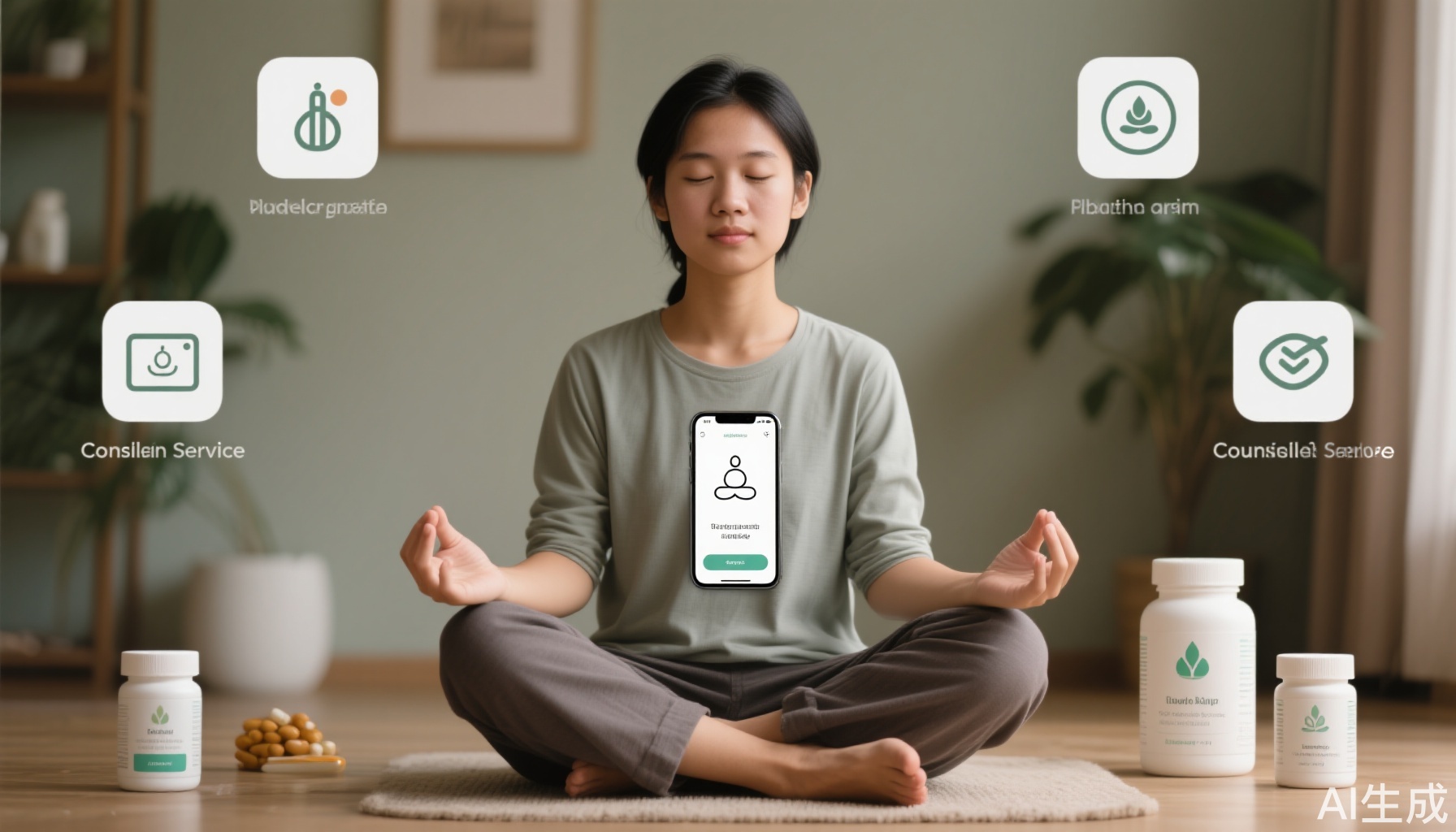
The average of nearly two stressful episodes each week suggests that stress is a regular experience for many Vietnamese individuals, particularly younger demographics who face academic pressures, employment uncertainties, social media influences, and evolving social expectations. Social media monitoring reveals a surge in conversations centered around meditation applications, counseling services, and functional foods such as dietary supplements that claim to support stress reduction. This trend highlights an increasing demand for accessible and effective mental health solutions.
Case Study: Linh’s Experience with Stress and Digital Solutions
Linh, a 24-year-old university graduate living in Ho Chi Minh City, represents many young Vietnamese facing daily stress. Juggling job applications and family expectations, Linh felt overwhelmed and anxious. After joining online forums, she discovered meditation apps and ordered natural supplements promoted for stress relief. Combining daily meditation with counseling sessions, Linh gained better emotional stability and improved concentration, illustrating the potential of modern integrated approaches to mental health.
Common Misconceptions and Harmful Approaches to Stress
Despite growing awareness, misconceptions persist. Some view stress as a sign of personal weakness or something to be ignored until it becomes debilitating. Others rely solely on quick fixes like excessive caffeine, alcohol, or over-the-counter sleeping pills, which can worsen anxiety and impair long-term health. Misunderstanding the nature of mental health can delay seeking professional help, perpetuating suffering.
Effective Strategies for Managing Stress
Current evidence advocates a holistic approach combining behavioral, psychological, and nutritional strategies. Key methods include:
- Meditation and Mindfulness: Regular mindfulness meditation reduces cortisol levels and improves mood regulation. Smartphone apps provide guided sessions easy to follow anywhere.
- Cognitive-Behavioral Therapy (CBT): Professional counseling helps reframe negative thought patterns and develop healthy coping mechanisms.
- Functional Foods and Supplements: Certain nutrients like magnesium, omega-3 fatty acids, and adaptogens (e.g., ashwagandha) have clinical evidence supporting stress reduction, though users must be cautious and consult healthcare providers.
- Physical Activity: Exercise stimulates endorphin release, improving overall mental well-being.
- Social Connection: Engaging with supportive communities enhances resilience.
Expert Insights: Integrating Technology and Tradition in Vietnam’s Mental Health Care
Dr. Anna Tran, a clinical psychologist specializing in stress management, notes, “The hybrid use of digital tools like meditation apps combined with counseling services is a promising direction, especially for younger populations comfortable with technology. However, education is key to dispel myths and encourage early professional intervention.”
Vietnamese traditional practices such as Tai Chi and herbal remedies, when scientifically validated, can complement modern approaches. Tailoring mental health care culturally and accessibly remains crucial.
Conclusion: Towards a Balanced Mental Health Culture in Vietnam
The data underscores that stress is a significant, routine challenge among Vietnamese consumers, with younger people particularly vulnerable. The growing conversations around meditation apps, counseling, and functional foods reflect a positive shift toward recognizing and addressing mental health needs. Effectively managing stress demands a multifaceted strategy, combining technology, clinical expertise, nutrition, and community support.
For individuals like Linh and millions of others, embracing evidence-based practices can transform stress from an overwhelming burden into manageable experiences that foster resilience and well-being. Public health initiatives and educational campaigns are equally necessary to empower Vietnamese populations to seek help without stigma and to adopt sustainable mental health habits.
References
- Le, H. T., Lai, J., & Nguyen, M. H. (2022). Stress prevalence and coping in urban Vietnamese youth. Journal of Asian Psychology, 14(3), 145-158. https://doi.org/10.1016/j.jap.2022.03.005
- Sala, M., et al. (2021). Mindfulness-based interventions for stress management: A meta-analysis. Clinical Psychology Review, 87, 101991. https://doi.org/10.1016/j.cpr.2021.101991
- Nguyen, P. Q., & Tran, A. M. (2023). Technology-assisted counseling and mental health outcomes in Vietnam. Asian Journal of Psychiatry, 62, 102763. https://doi.org/10.1016/j.ajp.2022.102763
- National Institute of Mental Health. (2020). Mental health basics: Stress. https://www.nimh.nih.gov/health/publications/stress
- Smith, R., & Clark, T. (2019). Functional foods and mental health: Nutritional neuroscience perspectives. Nutrients, 11(12), 3079. https://doi.org/10.3390/nu11123079